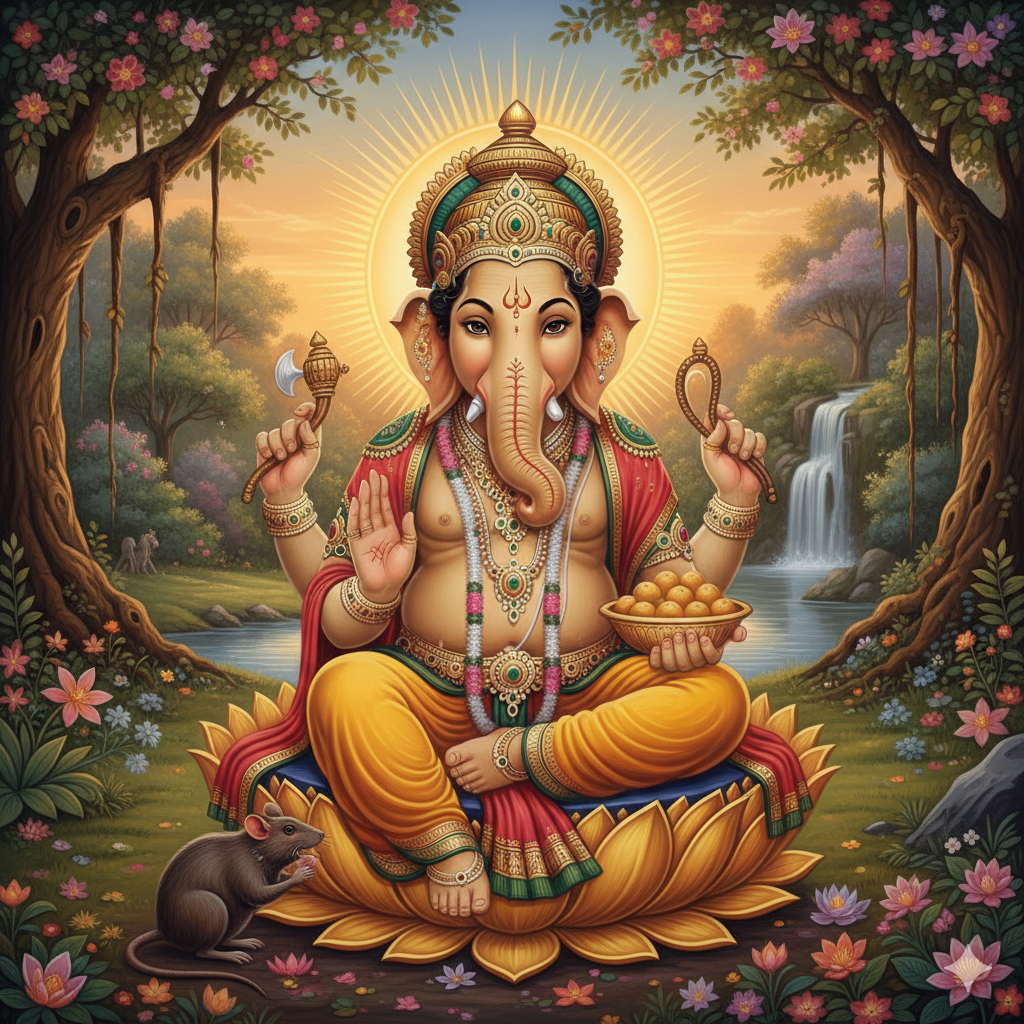
Karma is one of the fundamental concepts in Hindu philosophy, representing the universal law of cause and effect that governs our existence.
What is Karma?
Karma literally means "action" or "deed." It refers to:
- The actions we perform
- The intentions behind our actions
- The consequences of our actions
- The cycle of cause and effect
Types of Karma
1. Sanchita Karma
The accumulated karma from all past lives, stored like a bank balance.
2. Prarabdha Karma
The portion of accumulated karma that is ripe for experiencing in this lifetime.
3. Kriyamana Karma
The karma we are creating in the present moment through our current actions.
## The Three Qualities of Karma ### Sattva (Goodness) - Pure, harmonious actions - Lead to wisdom and happiness - Create positive karma ### Rajas (Passion) - Actions driven by desire and attachment - Lead to restlessness and activity - Create mixed karma ### Tamas (Ignorance) - Actions rooted in ignorance and laziness - Lead to confusion and suffering - Create negative karma ## How Karma Works 1. **Every Action Has a Consequence**: Good actions lead to positive results; bad actions lead to negative results. 2. **Intention Matters**: The motivation behind an action is as important as the action itself. 3. **Timing**: Karmic results may not be immediate; they can manifest in this life or future lives. 4. **Free Will**: While we can't change past karma, we can choose our present actions. ## Breaking the Cycle ### Selfless Action (Nishkama Karma) Perform actions without attachment to results, dedicating them to the divine. ### Knowledge and Awareness Understanding the nature of karma helps us make better choices. ### Spiritual Practices - Meditation - Prayer - Charity - Service to others - Devotion to God ### Forgiveness Forgiving others and ourselves helps release karmic bonds. ## Practical Applications 1. **Take Responsibility**: Accept that you are the creator of your life circumstances. 2. **Act Consciously**: Be mindful of your thoughts, words, and actions. 3. **Serve Others**: Selfless service purifies karma. 4. **Practice Gratitude**: Appreciate what you have instead of dwelling on what you lack. 5. **Learn from Experiences**: View challenges as opportunities for spiritual growth. ## The Ultimate Goal The ultimate aim is to transcend karma entirely through: - Self-realization - Liberation (Moksha) - Union with the divine - Freedom from the cycle of birth and death ## Conclusion Understanding karma empowers us to take control of our destiny. By performing righteous actions with pure intentions and without attachment, we can create a better future for ourselves and contribute positively to the world. Remember: You are the architect of your own fate. Choose your actions wisely!